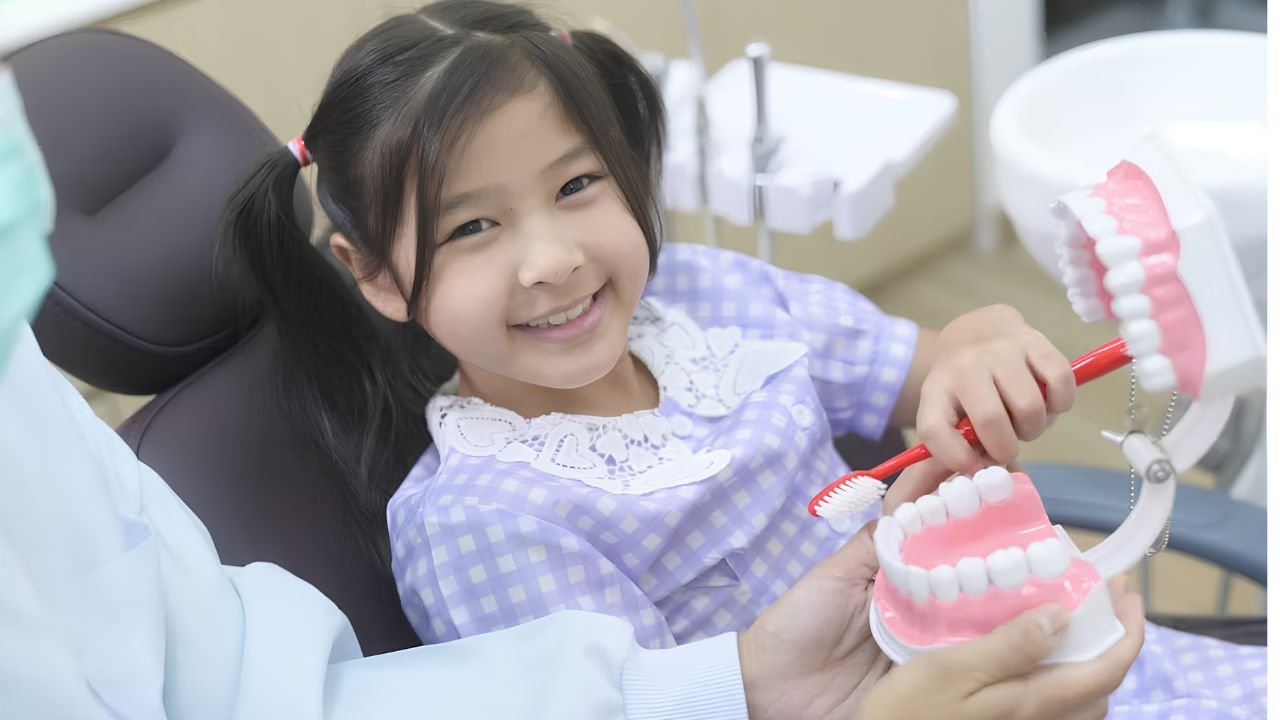
If you’ve ever tried to get a toddler to “open wide,” you already know the secret. Pediatric dentistry isn’t just about tiny teeth. It’s about tiny humans. Because the truth is, the best dental tools in the world don’t matter if a child is scared, overwhelmed, or locked into “nope” mode the second they see the chair. That’s why so much of pediatric dental care comes down to your child’s behavior, trust, and a visit that feels safe from the start to the finish.
At Amani Pediatric Dentistry, we treat the whole experience as part of the dental care visit. We plan for short attention spans by lowering stress on purpose. We build comfort first, because that’s what makes excellent care possible.
Let’s break down what that really means.
Teeth Don’t Exist In A Vacuum
From an adult perspective, a dental checkup sounds simple but not to your little one.To a child, it can feel like a lot all at once. There is a place, different smells, bright lights, and strange sounds. Not to mention, someone asking them to sit still while a stranger looks in their mouth.
That’s not “easy.” That’s a whole sensory event.
And when a child’s nervous system is stressed, the body goes into protection mode. Some kids cry, some wiggle, some go still, and some clamp down. None of that means your child is “bad.” It means your child is human.
Behavior Is How We Get Preventive Care Done
Most pediatric dental visits are preventive.
That means we’re trying to:
- check growth and development
- spot early signs of weakness
- clean teeth gently
- coach brushing and home habits
But prevention only works when kids can tolerate the process.
A child who feels safe can usually do more than you think. A child who feels rushed or startled will remember that too. One thing to remember is that those early memories are what shape their long-term relationship with dental care.
That’s the part people miss. Pediatric dentistry is not just “fixing teeth.” It’s building a pattern that can last well into adulthood.
Behavior Is Also A Symptom
Parents often assume pain is the first sign something is wrong.
But kids don’t always say “my tooth hurts.” Instead, they adapt and compensate by changing their behavior.
A child might chew on one side. Avoid cold water. Stop eating certain textures. Or get suddenly cranky at meals.So yes, behavior matters during the appointment. Behavior at home matters too. It can be one of the earliest clues that something in the mouth is bothering them.
A Calm Visit Is Not An Accident
A positive pediatric dental experience isn’t luck. It’s design.
At Amani Pediatric Dentistry, we intentionally shape the environment and the pace to lower stress. Our office includes soft lighting, calm colors, and a rhythm that respects short attention spans.
And we use a simple technique that works beautifully with kids. We call it the tell–show–do.
That means we explain what’s coming in kid-friendly language, we show them what it looks like, and only then do we proceed. We want to ensure that there are no scary surprises.
When a child knows what to expect, their brain relaxes. And when their brain relaxes, their body follows and things turn positive.
Relationship First, Dentistry Second
This is where pediatric dentistry looks different from adult dentistry.
With adults, you can often push through discomfort because the goal is the procedure. With kids, pushing can backfire. It can turn one hard visit into long-term fear.
That’s why our approach is friendly, flexible, and focused on building a relationship first.
Sometimes the win of the day is not a perfect cleaning. Instead, the win is your child sitting in the chair calmly, letting us count teeth, and walking out thinking, “That was okay.”
Let’s face it, that “okay” is massive. It’s the positive foundation for the next visit.
Why “Practice Appointments” Can Be A Game Changer
Some kids need a warm-up. That doesn’t mean they’re difficult. It means they’re cautious.
When needed, we can break a visit into two shorter “practice” appointments so your child can get comfortable with the space and the routine.
This approach reduces pressure for everyone. It gives your child time to build trust. And it often leads to better care long-term, because we’re working with your child instead of against their nervous system.
Parents Are Part Of The Care Team
A huge part of behavior-centered pediatric dentistry is parent partnership.
We’re not here to talk to you. We’re here to support you with real-life steps you can actually use at home.
That might look like:
- helping you improve brushing without turning it into a nightly fight
- making snack habits more tooth-friendly without needing a perfect diet
- spotting patterns that may point to discomfort or risk
It’s also why we care about continuity. Seeing your child regularly lets us track growth and behavior over time and adapt as they change.
What You Can Do Before The Visit (That Actually Helps)
You don’t need to over-prepare. In fact, sometimes too much talk creates more worry.
A few simple moves tend to work best:
- Use calm language. Keep it simple. “The dentist will count your teeth and clean them.”
- Avoid loaded words. Skip “hurt,” “shot,” or “drill” unless your child asks directly.
- Play dentist at home. Count teeth with a toothbrush. Let your child “check” your teeth. Two minutes is enough.
- Schedule smart. A well-rested kid handles new experiences better than a hungry, nap-skipped kid.
And if your child has struggled before, tell us. That helps us tailor the approach and keep the visit paced for your child’s temperament.
The Big Picture: We’re Protecting The Next Stage, Not Just Today
When people hear “pediatric dentistry,” they think cavities.
But so much of what we do is about protecting what’s coming next.
We’re guiding early habits, building trust, and helping your child feel comfortable with preventive care. Those early experiences tend to stick, and they influence how kids treat their oral health for years.
That’s why pediatric dentistry is more about behavior than teeth.
Because behavior is what makes the care possible.
Your Next Step
If it’s time for your child’s next checkup, we’d love to help. At Amani Pediatric Dentistry in Cedar Park, TX, we create a kid-first experience with calm pacing, tell–show–do communication, and an environment designed to lower stress. Schedule your child’s appointment today. We’ll make the visit simple, positive, and tailored to your child’s needs.